
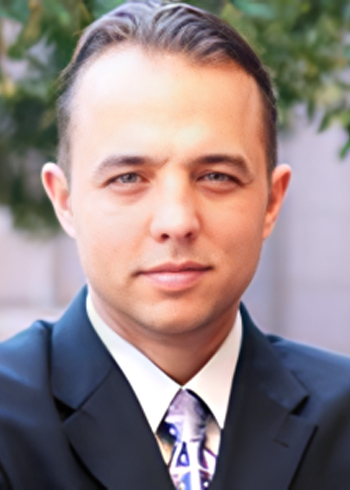
Founding Attorney
Serving as the executor of an estate is an important responsibility. In addition to collecting assets, paying debts, and distributing property, you may also find yourself in the middle of family disagreements. Probate disputes are common, and they can quickly turn a straightforward process into a stressful one. This blog examines the potential conflicts that may arise and offers guidance on how executors can address them fairly.
Common Probate Disputes Executors Face
Probate disputes often come down to questions of fairness, clarity, or compliance with Texas law. Some of the most frequent include:
- Challenges to the validity of the will: Family members may argue that the deceased lacked mental capacity or was pressured into signing.
- Disagreements over property distribution: Beneficiaries sometimes interpret a will differently or feel left out of the process.
- Conflicts among heirs: Long-standing family tensions can escalate during the probate process, particularly when emotions are high.
- Disputes over debts or taxes: Beneficiaries may question how creditors are being paid or how assets are valued.
- Concerns about executor performance: If heirs believe the executor is favoring one party or failing to keep records, conflict can escalate.
Any of these issues can delay the probate timeline in El Paso County courts and increase costs for the estate.
The Executor’s Role in Dispute Resolution
As executor, you are legally bound to act in the best interests of the estate and its beneficiaries. This fiduciary duty requires you to remain neutral, even if you are also a family member.
Key responsibilities include:
- Transparency: Keep beneficiaries informed about the estate’s assets, debts, and progress.
- Accurate record-keeping: Document every transaction, valuation, and distribution.
- Fairness: Follow the instructions in the will and adhere to Texas probate statutes.
- Seeking help when needed: If a dispute cannot be settled informally, it’s better to involve the court or a mediator rather than risk violating your duties.
Tools for Handling Probate Conflicts in Texas
Mediation
Texas courts often encourage mediation before allowing a full trial on probate disputes. Mediation can save time and money while giving families a chance to resolve disagreements privately. A neutral third party helps the heirs and executor find common ground.
Court Intervention
If mediation fails, the executor can request court guidance. This may involve seeking the judge’s approval for certain actions, such as selling property or distributing assets. In more serious cases, the court may hold hearings to resolve challenges to the will or remove an executor accused of misconduct.
Tips for Executors to Reduce Conflict
While you can’t prevent every disagreement, you can take steps to lower the chances of disputes:
- Share regular updates so beneficiaries know what to expect.
- Follow the will exactly and comply with Texas probate rules.
- Keep receipts, appraisals, and communications organized.
- Avoid favoritism and maintain a professional demeanor, even when family relationships are strained.
By taking these precautions, you demonstrate that you are acting in good faith, which can calm tensions before they spiral.
FAQs About Probate Disputes
Can an executor be removed if beneficiaries disagree with their actions?
Yes. If the court finds that an executor has failed in their duties, they can be removed and replaced. However, simple disagreements without evidence of wrongdoing are not enough for removal.
What happens if someone challenges the will in Texas?
The court will review the challenge and may hold hearings to determine its validity. During this time, probate may be delayed until the issue is resolved.
Does every probate dispute have to go to court?
No. Many disputes can be resolved through mediation or negotiated settlements, which are often faster and less expensive than litigation.
Legal Help for Executors Facing Probate Disputes in Texas
Probate disputes can place executors in a difficult position, but understanding your role and the tools available can make the process more manageable. With clear communication, careful documentation, and professional support, you can fulfill your duties and reduce conflict.
At the Law Office of Carey Thompson, PC, we work with executors and families in El Paso to resolve probate disputes fairly and efficiently. If you are facing challenges during the probate process, trust us to help protect both you and the estate. Contact us today for a confidential consultation.