
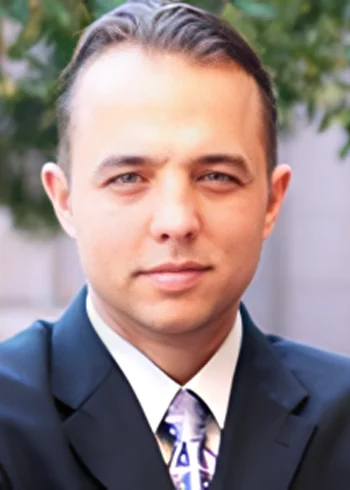
Founding Attorney
Many people assume probate responsibilities are simple, automatic, or largely handled by the court. In Texas, however, executors and administrators take on significant legal and financial obligations during probate. Misunderstanding those responsibilities can lead to delays, disputes, or personal liability, which makes working with an experienced probate attorney essential.
Myth: The Probate Court Handles the Estate for You
One of the most common misconceptions is that the probate court actively manages the estate. In reality, the court’s role is primarily supervisory. The executor or administrator is responsible for carrying out the work of probate, including:
- Identifying and valuing estate assets
- Notifying beneficiaries and creditors
- Paying debts and expenses
- Filing required documents
- Distributing assets properly
The Tarrant County probate courts review filings and issue orders where necessary, but they do not manage the estate on behalf of the family.
Myth: Having a Will Makes Probate Easy
A valid will helps guide probate, but it does not eliminate the process or remove the executor’s legal responsibilities. Even with a will in place, the executor must still:
- Petition the court to probate the will
- Qualify to serve as executor
- Follow Texas probate procedures
- Handle creditor issues and estate administration
Additionally, Texas law generally requires executors and administrators seeking formal appointment through probate court to be represented by an attorney, with limited exceptions in specific types of proceedings.
A will creates instructions, but administering the estate still requires legal and procedural compliance.
Myth: Executors Cannot Be Personally Liable
Many executors assume they cannot be held personally responsible for mistakes made during probate. That is not true. Executors have fiduciary duties under Texas law. This means they are expected to act carefully, honestly, and in the best interests of beneficiaries and creditors.
Executors may create problems if they:
- Distribute assets too early
- Fail to pay valid debts
- Miss deadlines or court requirements
- Mishandle estate funds
Even unintentional mistakes can expose an executor to legal disputes or financial liability.
Myth: Probate Is Just About Distributing Property
Distributing inheritances is only one part of probate. Before assets can be distributed, the executor must often:
- Locate and secure estate property
- Address creditor claims
- Resolve tax or financial issues
- Maintain estate records and accountings
Some estates also involve disputes among beneficiaries, questions about ownership, or complications involving businesses or real estate.
Probate administration is often far more involved than families expect at the outset.
Myth: Beneficiaries Can Demand Immediate Distributions
Beneficiaries sometimes assume assets should be distributed immediately after a death. In reality, probate follows a structured process under Texas law. Before distributions occur, the executor may need to:
- Complete required notices
- Evaluate debts and liabilities
- Obtain court approvals where necessary
- Confirm the estate has sufficient assets to satisfy obligations
Premature distributions can create financial problems for the estate and liability issues for the executor.
Myth: Family Agreement Eliminates Probate Problems
Families often believe that if everyone “gets along,” probate will remain simple. While cooperation certainly helps, legal and procedural requirements still apply. Even uncontested estates may involve:
- Court filings
- Statutory deadlines
- Creditor procedures
- Title or ownership issues
A family agreement does not eliminate the need to comply with Texas probate law.
Why Probate Responsibilities Are Often Misunderstood
Many probate myths come from informal advice, online summaries, or assumptions based on other states’ laws. Texas probate procedures have unique rules, including requirements surrounding executor representation and estate administration.
Families throughout Fort Worth and Tarrant County are often surprised to learn how much responsibility falls on the executor and how quickly small mistakes can create larger complications. Having informed legal guidance is the best way to avoid delays and reduce unnecessary conflict during probate.
Talk to a Fort Worth Probate Lawyer
Probate responsibilities extend well beyond filing paperwork or distributing property. Executors and administrators are responsible for managing legal, financial, and procedural obligations that can carry significant consequences if handled improperly.
At the Law Office of Carey Thompson, PC, we help executors and families in Fort Worth navigate probate responsibilities under Texas law and avoid common mistakes during estate administration. If you have questions about probate duties or are preparing to serve as executor, connect with us for a consultation.